
Buying land is one of the most exciting and complex steps in building a custom home. Before you fall in love with a piece of property, it’s critical to understand whether the land is truly buildable for your project, what it will cost to prepare, and how it will impact your overall home budget.
This guide walks you through some essential steps every buyer should take before purchasing land, helping you avoid costly surprises and make confident, informed decisions.
1
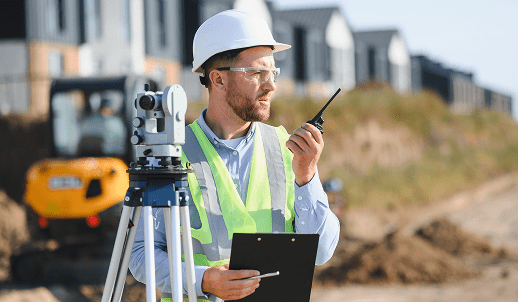
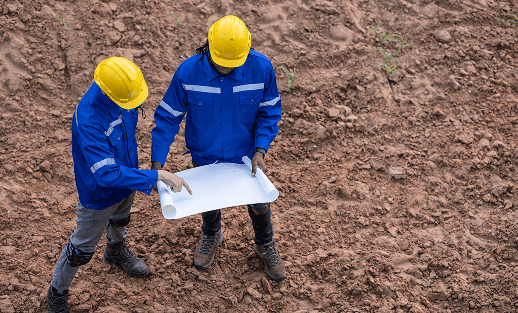
Identify the Land and Confirm It’s Buildable
Not every piece of land is suitable for building, even if it looks perfect at first glance.
The first question isn’t “Do I like it?” — it’s “Can I build on it?” Key questions to ask:
- Is the land legally buildable?
- Are there zoning or local government restrictions?
- Is it buildable at a cost you can afford?
This is where bringing in a builder early can
help make your project cost-effective.

2
Get a Survey
A professional land survey is non-negotiable. A survey helps confirm:
- Property boundaries
- Easements or shared access points
- Setbacks and buildable areas
- Road frontage and access
- Reveal possible encumbrances
Without a survey, you may not know where, or if, you’re actually allowed to build.
3
Evaluate Zoning, Regulations & Restrictions
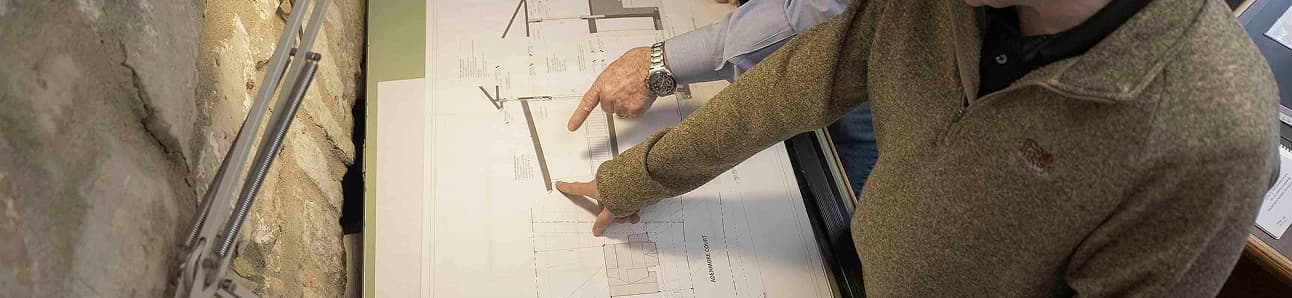
Zoning requirements and building regulations vary by location and can significantly impact your project. Be sure to research:
- Local zoning classifications
- County or municipal building regulations
- HOA requirements (if applicable)
- Minimum square footage or architectural standards
Just because land is for sale doesn’t mean your home plans will be approved.

When “Build-Ready”
Land Isn’t Build Ready
“A client purchased land they believed was build-ready, only to discover it was located in an overlay district. That designation triggered extensive requirements, including zoning and sewer reviews, environmental and archaeological studies, detailed landscape documentation, and coordination with multiple agencies. Review fees alone totaled $50,000, with overall compliance adding roughly $250,000 at the time—costs that could exceed $500,000 today. The process was both time-consuming and expensive, delaying construction before it even began.
According to the NAHB, regulatory costs have increased 28% over the last decade, making early due diligence essential for your project.”
2
Understand Utilities
& Infrastructure
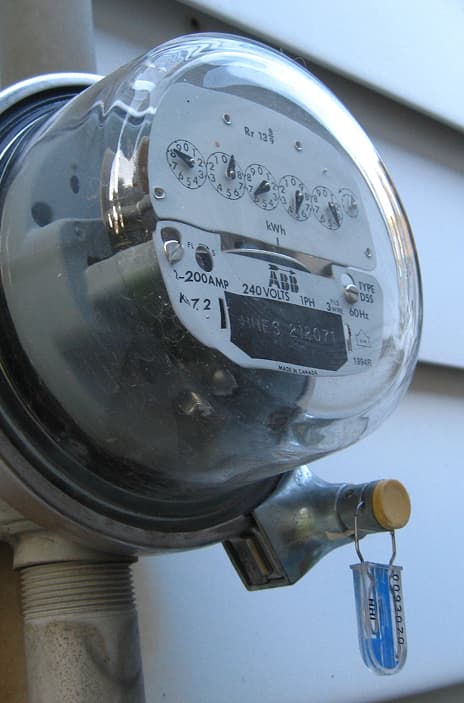
Utilities can make or break your budget. Confirm availability and cost for:
- Electric
- Water and sewage (or septic systems)
- Road access and driveway approvals (a nearby road doesn’t always mean easy or legal access)
- Ground clearance and grading requirements
Extending utilities can add substantial, unexpected costs.
5
Identify Environmental & Land Constraints
Certain factors can severely limit buildability or increase
construction costs, including:
- lood zones
- Tree clearing requirements
- Soil conditions
- Ground stability and drainage
- Timber rights or land-use limitations
These details matter long before design begins.
Pro Tip: “Just because land is available doesn’t mean it’s buildable for your plans. Access requirements alone can involve several agencies and significantly impact feasibility, cost, and timeline.” – Perry Lyons
6
Bring a Builder to the Land
One of the smartest steps you can take is involving a builder before you purchase.
An experienced builder can:
- Evaluate true build-ability
- Identify hidden challenges
- Estimate site preparation costs
- Flag issues that could impact design or budget
This step often reveals issues that aren’t obvious to buyers or real estate agents.
Pro-Tip: Use a Contingency
“A client purchased land they believed was build-ready, only to discover it was located in an overlay district. That designation triggered extensive requirements, including zoning and sewer reviews, environmental and archaeological studies, detailed landscape documentation, and coordination with multiple agencies. Review fees alone totaled $50,000, with overall compliance adding roughly $250,000 at the time—costs that could exceed $500,000 today. The process was both time-consuming and expensive, delaying construction before it even began.
According to the NAHB, regulatory costs have increased 28% over the last decade, making early due diligence essential for your project.”